
The work and the invoice drift apart
Billable warehouse activity gets rebuilt at month-end, creating extra work and leaving revenue behind.
About Cybership
Cybership is warehouse management software for growing 3PLs and brands running fulfillment in-house. It comes from firsthand experience with the work, cost, and pressure behind a warehouse—not from a generic software model later adapted to fulfillment.
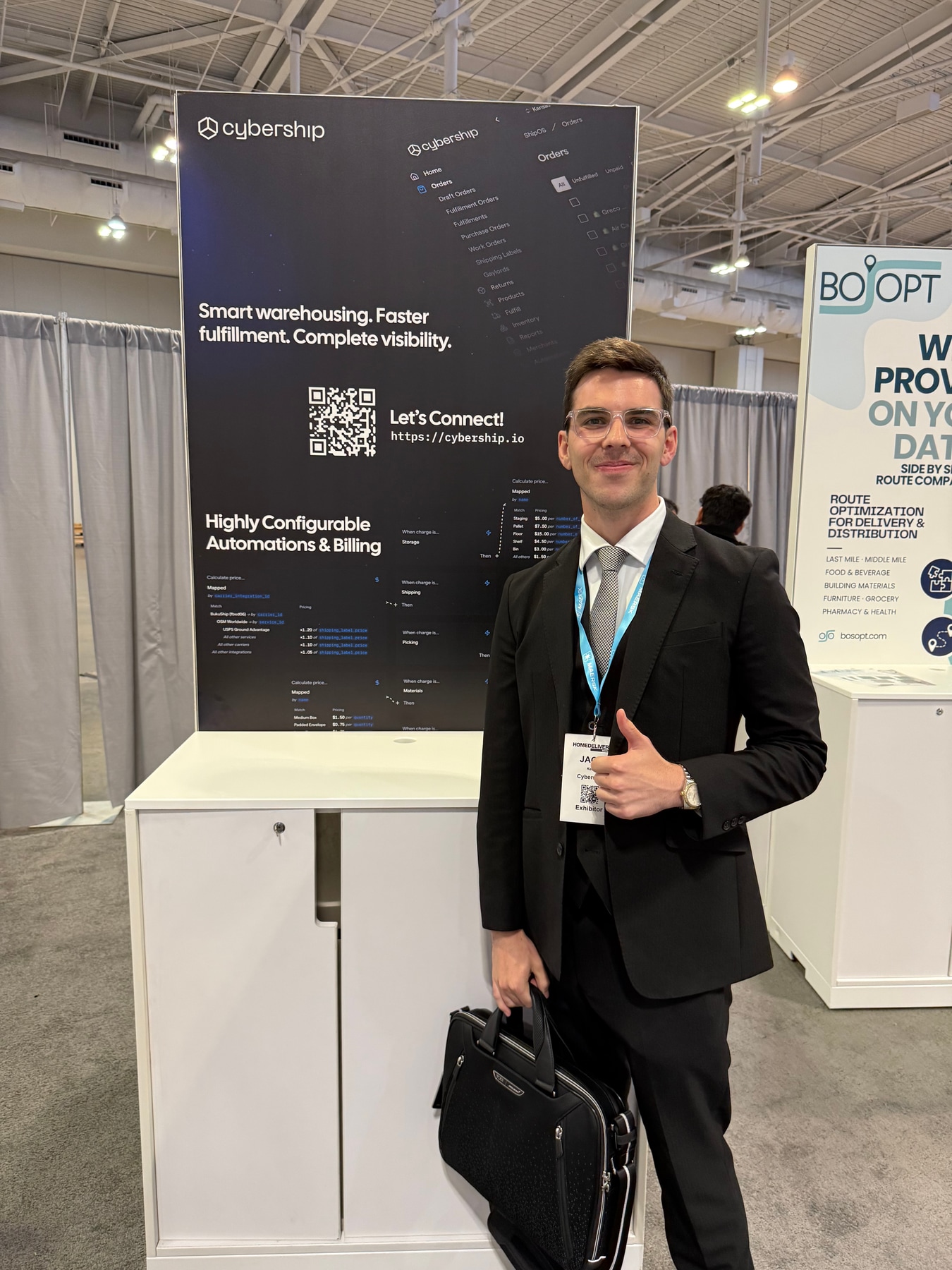
Jack Kelly
Founder and former 3PL operator
The origin
Running a 3PL made the gap obvious: moving an order was only part of the job. Protecting margin, answering customers, managing exceptions, and adapting the workflow took just as much attention.
Founder Jack Kelly built and scaled his own 3PL, working through billing, merchant communication, shipping, inventory, and the exceptions that interrupt a warehouse day.
The difficult work did not end after receiving, picking, packing, and shipping. Too much of the operation still depended on spreadsheets, inboxes, disconnected systems, and manual checks.
Cybership was created to keep warehouse execution, billing, merchant visibility, labor, shipping decisions, automation, and exceptions working together.
What we set out to fix
Billable warehouse activity gets rebuilt at month-end, creating extra work and leaving revenue behind.

Inventory, order, invoice, and exception questions pull the team away from running the operation.

People become the integration layer when rules, approvals, and unusual workflows are scattered across tools.
New customers, channels, warehouses, and requirements should not force another WMS replacement.
How we operate
The same operating experience that shaped Cybership also shapes how we sell, build, and support it.
Product
Features begin with the work an operator is trying to finish, the decision they need to make, and the record they need afterward.
Customer fit
We would rather identify a limitation early than promise around it. Hard requirements deserve clear answers about capability, ownership, and tradeoffs.
Support
A fast acknowledgment is not a resolution. Engineers stay close when a problem needs technical diagnosis and product-level ownership.
Work with Cybership
Explore it in a free sandbox or walk through the workflow directly with the people responsible for the product.